Steam, Silence and Safety: The Quiet Role of a Cuppa in Therapy
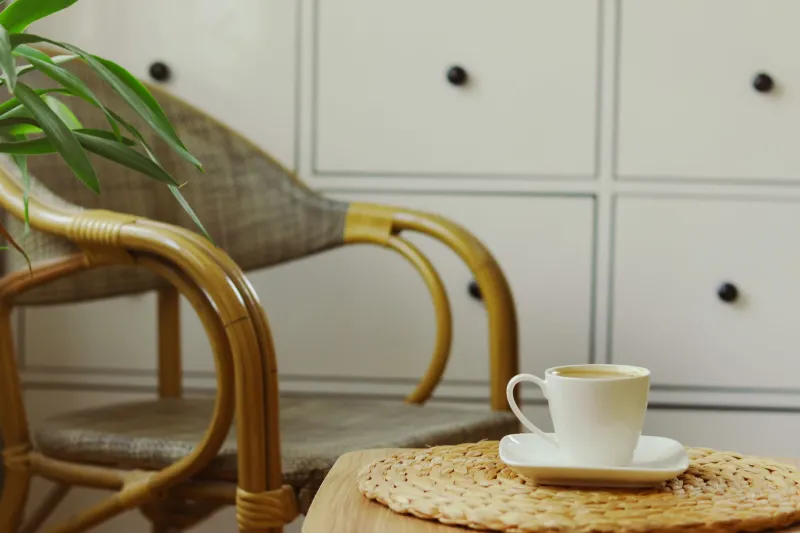
There is a particular sound that can make a therapy room feel less clinical: the click of a kettle, the clink of a spoon, the soft shuffle of a mug being set down within reach. In the UK, tea is often the first thing we offer when someone is upset, shocked or simply sitting in a hard place. So it makes sense that a cuppa sometimes turns up in therapy too.
But what does a mug of tea actually do in a session? And if you find yourself wondering whether to accept one, decline one, or ask for a pause to drink it, are you avoiding the real work? Short answer: no. The small domestic rituals around tea can be part of the work. They are not a distraction from it.
Why a mug can matter more than it looks
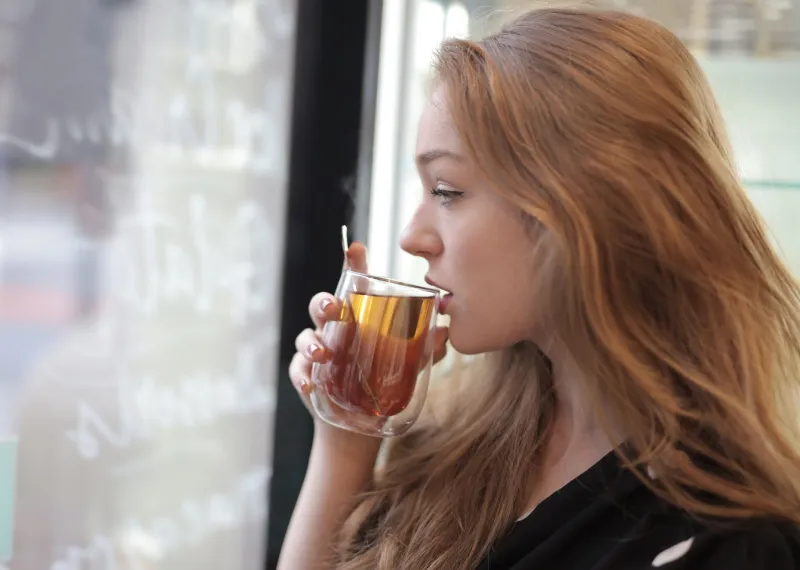
A warm drink is a sensory experience. It gives your hands something to do. It offers a reason to look down, to breathe, to take a moment before speaking. For someone who arrives at therapy wound tight, shaky or numb, that can be genuinely useful. It is not a cure for anxiety or a replacement for talking, but it can help your body register that you are in a safe, ordinary room with another person.
There is also a cultural shorthand at play. In the UK, offering tea is often a way of saying, “I see you’re having a difficult time, and I’d like to make it a bit easier.” In a therapy setting, that gesture can sit alongside professional boundaries rather than undermining them. The therapist is still the therapist. The tea is just tea. But the welcome it carries can matter.
The offer itself is part of the welcome
Being asked whether you want a drink is a small moment of choice. That matters in therapy, where so much can feel unknown or intense. You are allowed to say yes. You are allowed to say no. You are allowed to ask for water instead, or to say you’d rather not have anything just now.
Some therapists offer a drink at the start of every session. Others don’t, perhaps because of the room, the timing or their own way of working. Neither approach is a sign of how much they care. If you would like a drink and it isn’t offered, you can ask. That is not demanding. It is communication.
Gentle scripts for the start of a session:
- “Yes please — just milk, no sugar.”
- “I’m fine with water, thanks.”
- “No thanks, I’m okay for now.”
- “Would it be okay if I brought my own flask in?”
When words feel hard, hold something warm
Sometimes the most useful thing in the room is not a question or an interpretation. It is the weight of a mug in your hands. If you feel tearful, frozen or far away, focusing on warmth and texture can help you stay connected to the present moment. It gives your nervous system a simple, ordinary thing to notice.
That said, tea is not a test. If your hands are shaking, you can set the mug down. If it is too hot, wait. If you spill a little, it is not a crisis. A good therapist will not make you feel silly for being human in a human room.
You can also ask for a pause. Scripts that can help:
- “Could I have a moment? I’m going to take a sip and breathe.”
- “I need to pause for a second — the tea helps me settle.”
- “I’m feeling a bit shaky. Can we slow down while I hold this?”
- “I’d rather not talk for a minute. Is that okay?”
Accepting, declining and asking for a pause
If you are worried about being polite, remember that therapy is one of the few places where you do not have to perform. You can accept a drink because you want one. You can decline because you don’t. You can change your mind halfway through. You can ask for a pause without turning it into a speech.
It can help to think of the mug as a small companion to the conversation. It does not lead the session. It does not replace the hard bits. It simply sits there, offering a bit of warmth while you do the work.
If tea is not offered in your sessions, that does not mean the room is cold. Some therapists work in buildings where drinks are not practical, or they may have their own reasons for keeping the space simple. You can still bring a water bottle, ask for a glass of water, or use another grounding object — a scarf, a stone, a folded tissue — to give your hands and attention somewhere gentle to land.
Small choices are not a distraction
It is easy to dismiss these tiny decisions as unimportant. But therapy is made of small moments: the way you are greeted, where you sit, whether you have a drink, how you are allowed to pause. These details can quietly tell your body that you are not being rushed, judged or managed. You are being met.
So if you find yourself holding a mug in a therapy room this winter, you are not wasting the hour. You are doing something both ordinary and brave: letting yourself be comforted while you face what you came to face. The kettle between you is not the therapy. But it can help make the therapy possible.